Quickly assessing store tech
- Uncovered initial project needs & planned short-term deliverables as well as long-term milestones in pursuit of the main expected outcome
- Performed market research on competitive products & investigated what retail competitors were doing in this space
- Grounded the project team on a more accurate and realistic problem they were experiencing through the many competing stakeholder perspectives
Impacts
Unfortunately, this project didn't get off the ground after the initial presentation was shared due to misaligned expectations between the requesting team, their management, and the business partners holding the budget.
I don't see this as a loss. The ability to do just enough research to form a strong opinion & direction to then go & pitch what I've learned to Decision Makers is worth doing time and time again. This kind of perspective is helping to shape and build my influence over time.
Summary
Store Associate Technology & Business Leadership requested market research to be done on QueVision’s [Kroger's in-store tech] competitors to understand how other retailers are managing incoming/outgoing customer traffic in their stores. This was the initial ask.
QueVision: the past and the present
QueVision is a technology that uses heat sensors to capture customer traffic patterns for assisting Store Associates in achieving their service expectation of reducing wait time for customers. Basically, it notifies Front-End Supervisors when they need to staff more checkout lanes.
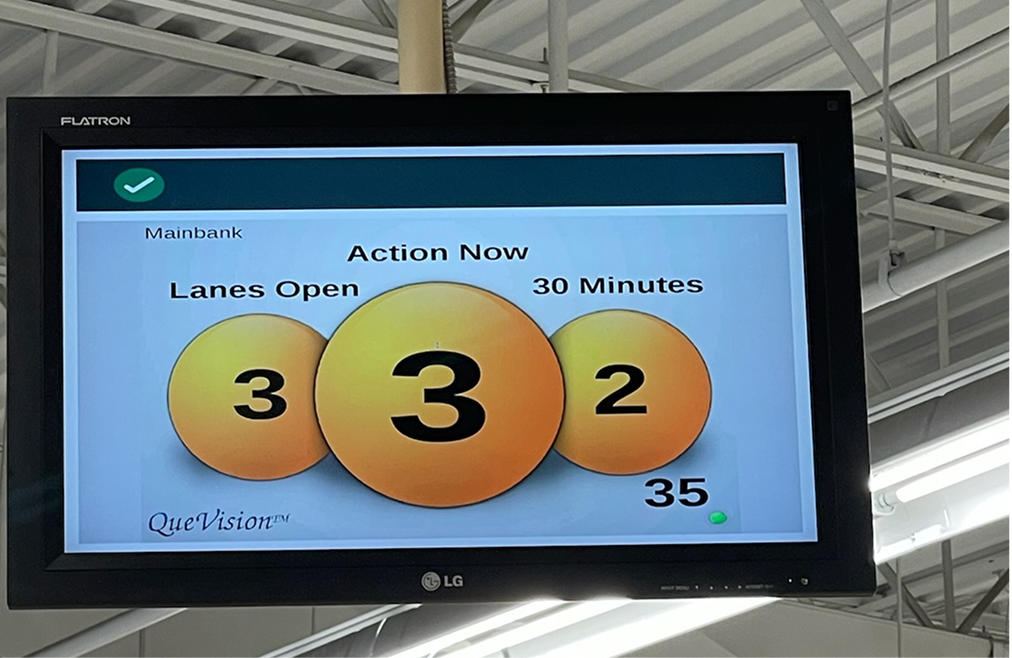
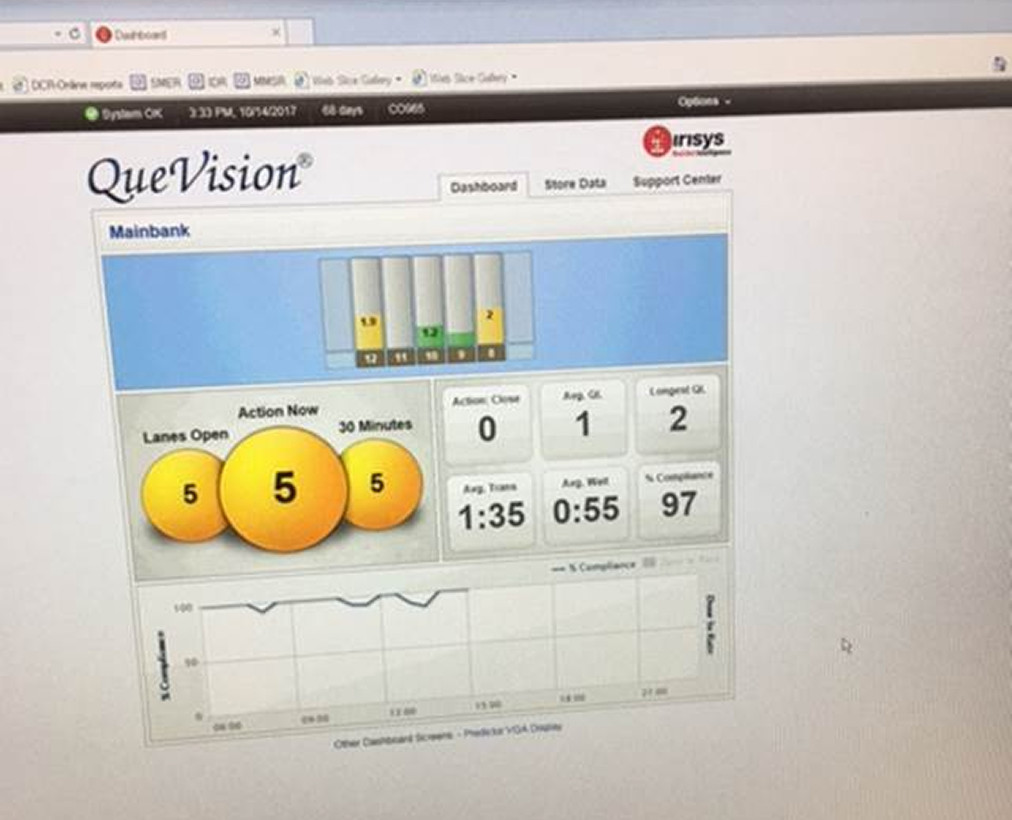
The company that created QueVision is now out-of-business, and Kroger is left with the rights to this technology.
Not a lot of research has been done to identify how, or to whom, this technology may be useful for.
Currently, there is a stop-gap solution going out to onboarded stores based on a recent QueVision release. The software and the teams that support it have historically been working in a "keep-the-lights-on" fashion.
Going beyond the initial ask
Given that various levels of leadership didn't know much about QueVision, Store Associates paid little attention to the monitors/dashboards when they were on shift, and technology teams were prioritizing different software initiatives for Associates... the more likely problem they are facing is that:
Kroger has invested in this product, and they don't know what to do with it.
That goes much deeper than a benign request to learn what competitors are doing in this space. Instead of handing over a sort of pamphlet of product overviews and saying "good luck," I desired to influence the actual decision that needed to be made by business stakeholders in partnership with their technology leaders.
Do those in charge see this technology as a burden or a gift?
I planned for that question and the following to be answered through in-depth research in the coming quarter:
- What does the QueVision software really do today in stores for Kroger? What value does this software provide?
- What are other retailers using for similar purposes, and what value are they realizing?
- Should the Business continue using this product, and why? What justifies its existence? This is the do nothing or keep as-is option.
- Should the Business & Tech teams invest the time & resources to improve this product, and why?
- Should the Business kill QueVision? If so, what should be done in its absence, and why?
Anticipating what would come after the lightweight market and competitive analysis was presented to Business & Tech leadership, I made a research plan to outline what milestones, artifacts/activities, and timelines are necessary to achieve our shared measure of success or outcome.
The 1st milestone would be to get to a place where our team could say confidently: "Based on what we know to be true today, QueVision and/or similar competitive technologies [WILL or WILL NOT] have a demonstrable impact on [X, Y, and Z metrics] because stores [ARE or ARE NOT] appropriately staffed."
Being honest about tech's limitations
Whether the Business decides to keep QueVision, build another tool, buy something in the market, or do nothing at all... the harsh reality is that:
A technological solution won't be able to produce a noteworthy ROI when stores are chronically under-staffed.
Before we get carried away with all the dreaming about "what could be" & the nice-to-haves, we have to wrestle with the possibility that technology won't be able to solve the systemic problems that stem from poor business practices. I understand that this can be hurtful to admit, but before choosing to go down a futile and unsuccessful road, we can nip it in the bud from the start.
Not to get too ahead of myself though, I saw delivering the requesting team's initial ask as a kind of "buy-in" to be able to then pitch increasing the scope of the project to address the more important need.
Delivering what's expected
Within 1 sprint (or 2 weeks), I:
- Found out about QueVision's metrics, history, sentiment with store associates, current issues, and most recent releases
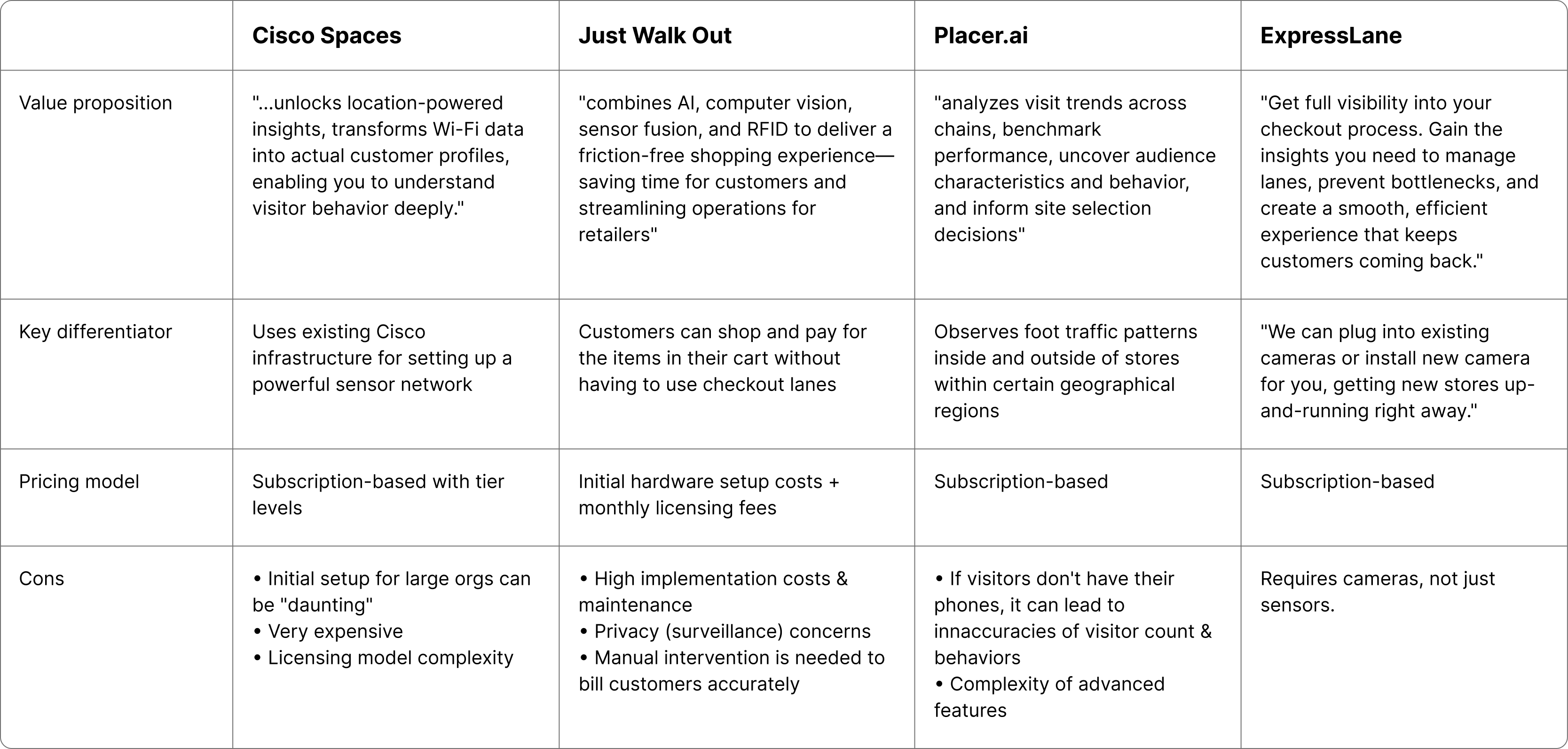
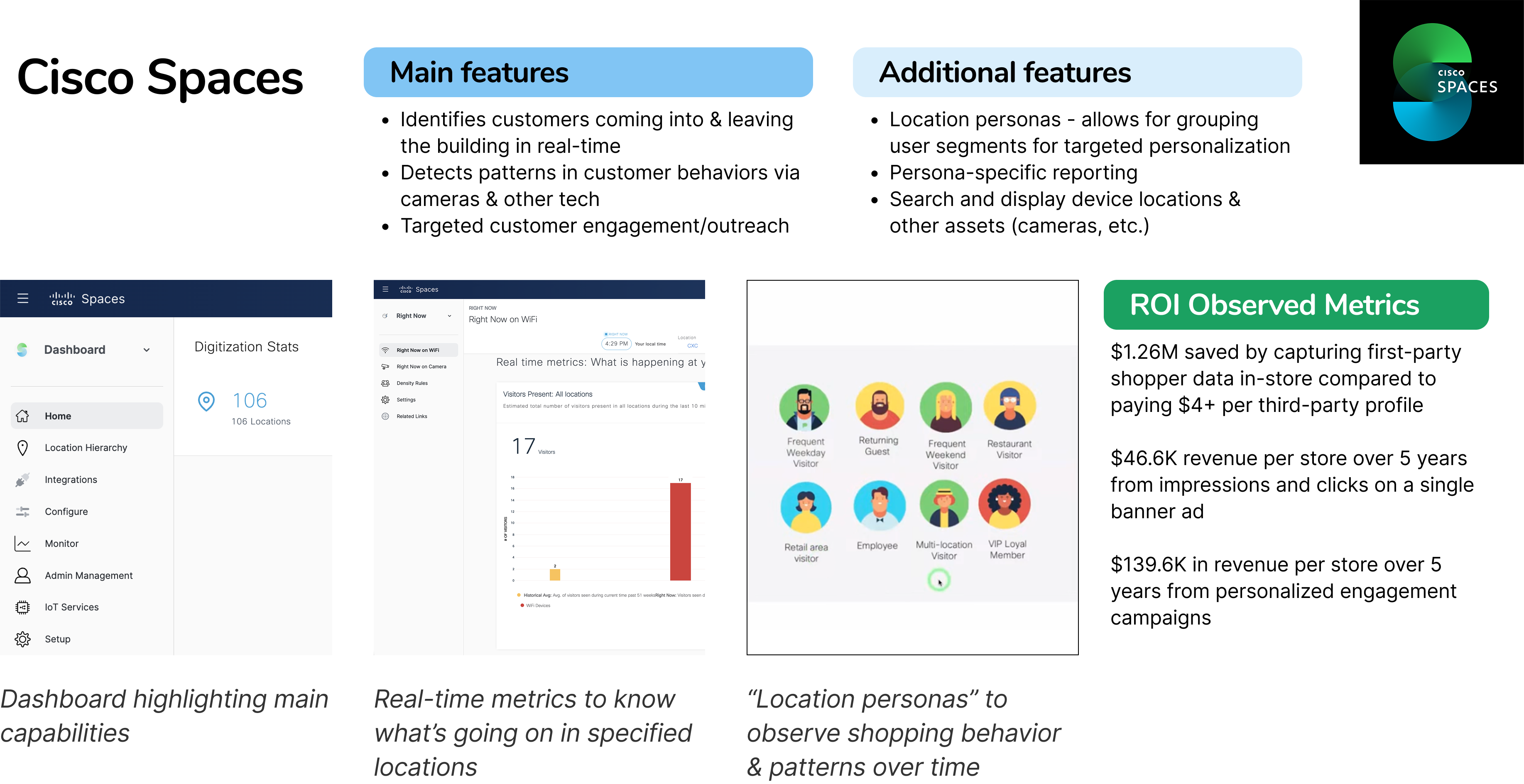
- Discovered & analyzed similar products in the marketplace
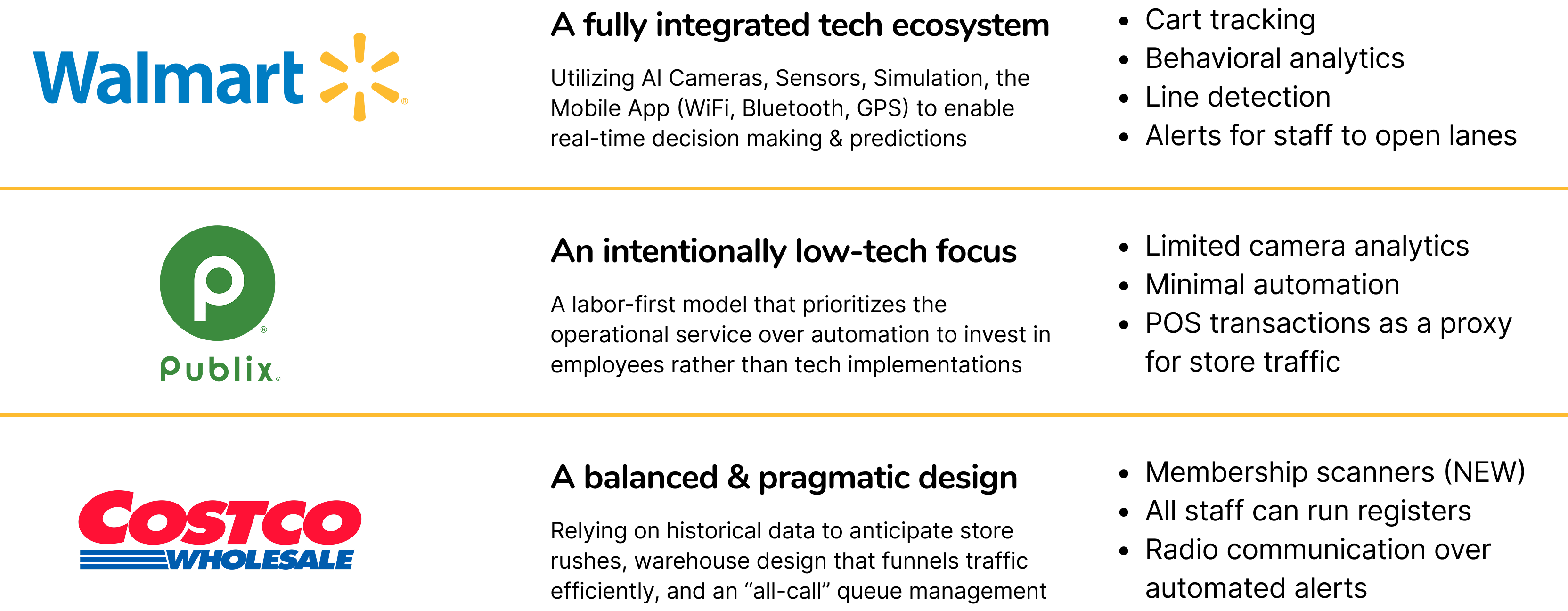
- Interpreted the in-store customer traffic strategies of 6 Kroger competitors
- Summarized the most essential information in a presentation to leadership
Reach out if you'd like to learn more about this case study.